Válvulas de controle rotativas versus válvulas de controle lineares: principais diferenças e aplicações com a GEKO
Jan 09, 2026
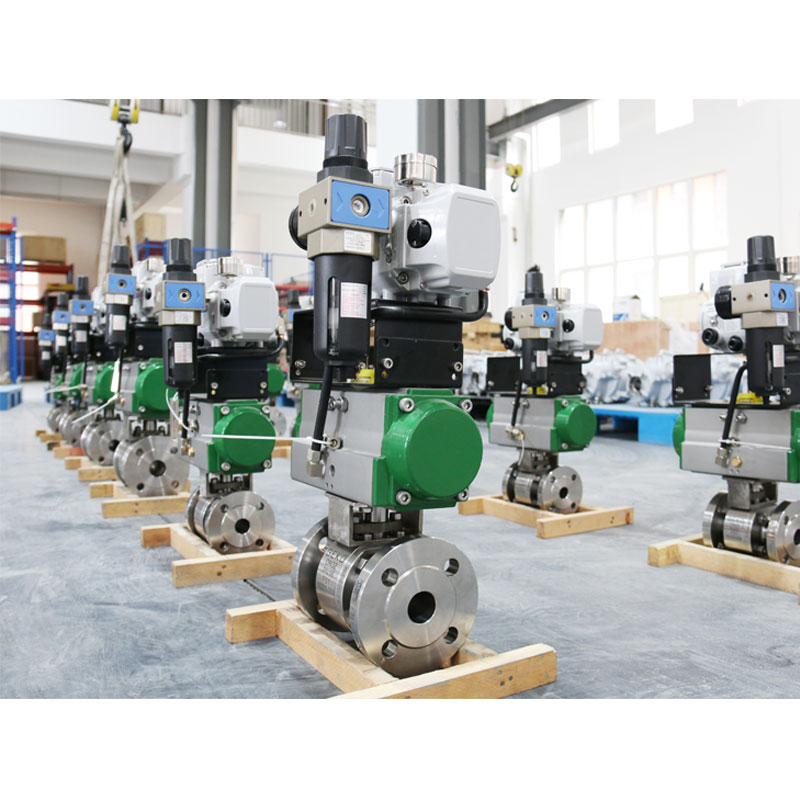
Quando se trata de regular o fluxo de fluidos em sistemas industriais, a escolha do tipo certo de válvula de controle é crucial. Existem dois tipos principais de válvulas de controle: as válvulas rotativas e as válvulas lineares, cada uma oferecendo vantagens distintas dependendo da aplicação. Este artigo destaca as principais diferenças entre esses dois tipos, com foco nas válvulas rotativas da GEKO, reconhecidas por sua alta precisão e desempenho robusto. O que é uma válvula de controle rotativa? Uma válvula de controle rotativa é um tipo de válvula de controle que utiliza componentes rotativos, como uma válvula borboleta ou uma válvula de esfera, para regular o fluxo de fluido. A válvula opera girando o núcleo da válvula, tipicamente em 90 graus, para controlar o caminho do fluido. Este projeto é altamente eficiente, especialmente para abertura rápida ou controle de fluxo rápido.Em contraste, uma válvula de controle linear (por exemplo, válvulas globo e válvulas gaveta) opera com movimento linear, onde a haste da válvula se move para cima ou para baixo para abrir ou fechar a válvula. Esses tipos de válvulas são comumente usados para ajustes precisos e menores no fluxo de fluido. Diferenças estruturais: válvulas de controle rotativas versus válvulas de controle lineares O design de uma válvula de controle rotativa é compacto e consiste em um componente rotativo (como uma borboleta ou esfera) e um atuador pneumático ou elétrico. Esse design permite ajustes mais suaves e rápidos, sendo ideal para aplicações que exigem maior controle de fluxo com restrições mínimas de espaço.Em contraste, as válvulas de controle linear são tipicamente mais complexas, consistindo em várias partes, incluindo uma haste, um obturador e uma sede. O movimento da haste controla a abertura e o fechamento da válvula, tornando-a adequada para aplicações que exigem ajustes precisos, mas com uma estrutura mais intrincada. Princípios de funcionamento: Eficiência e tempo de resposta As válvulas de controle rotativas, como as oferecidas pela GEKO, regulam o fluxo alterando a área da seção transversal do percurso do fluxo por meio de componentes rotativos. Isso permite tempos de resposta rápidos, tornando-as ideais para aplicações que exigem comutação rápida de ligar/desligar ou ajustes contínuos de fluxo. Essas válvulas se destacam em setores como petróleo e gás, tratamento de água e processamento químico, onde a resposta rápida e o controle de grandes volumes de fluxo são essenciais.Por outro lado, as válvulas de controle linear ajustam o fluxo movendo o obturador ou disco da válvula em um movimento linear para alterar a área de fluxo. Embora ofereçam alta precisão e sejam excelentes para ajustes finos de fluxo, tendem a ter tempos de resposta mais lentos, tornando-as mais adequadas para cenários onde é necessário um controle preciso de pequenas vazões. Principais características de desempenho: Flexibilidade e precisão As válvulas de controle rotativas oferecem diversas vantagens importantes, incluindo:Ampla faixa de ajuste (até 150:1)Alta capacidade de fluxoBaixa queda de pressãoExcelente resistência à cavitaçãoCapacidades de desligamento herméticoEssas características tornam as válvulas de controle rotativas perfeitas para tubulações de grande diâmetro, sistemas de alto fluxo e aplicações que envolvem lamas, meios corrosivos ou que exigem fechamento rápido.Em comparação, as válvulas de controle linear se destacam em precisão e linearidade. Elas proporcionam maior exatidão no controle de fluxo, mas possuem uma faixa de ajuste menor e geralmente apresentam maiores quedas de pressão. Essas válvulas são ideais para aplicações onde o controle preciso de pequenos fluxos ou grandes diferenças de pressão é essencial, como nas indústrias farmacêutica e de química fina. Aplicações: Qual válvula escolher? As válvulas de controle rotativas são amplamente utilizadas em indústrias que exigem controle de alto fluxo ou em ambientes onde o fechamento rápido é necessário. As aplicações típicas incluem:Refino e processamento químicoEstações de tratamento de águaIndústrias de petróleo e gásManuseio de pastas ou produtos químicos agressivosAs válvulas de controle linear são ideais para situações que exigem controle de alta precisão do fluxo de fluidos. Aplicações comuns incluem:Fabricação farmacêuticaprodução de produtos químicos finosUsinas de energiaSistemas HVACAs válvulas de controle rotativas da GEKO são projetadas para atender às demandas de indústrias que exigem precisão e durabilidade no controle de fluxo em larga escala. Com recursos avançados e construção robusta, as válvulas de controle rotativas da GEKO oferecem uma solução superior para aplicações que envolvem substâncias corrosivas, altas vazões e acionamento rápido. Conclusão: Válvulas de controle rotativas da GEKO versus válvulas de controle lineares Tanto as válvulas de controle rotativas quanto as lineares oferecem benefícios distintos, dependendo das necessidades da aplicação. As válvulas de controle rotativas da GEKO são projetadas para indústrias que exigem regulação rápida de grandes vazões e capacidade de vedação hermética. Seu design compacto e desempenho eficiente as tornam a principal escolha para sistemas de petróleo e gás, processamento químico e tratamento de água.Em contrapartida, as válvulas de controle linear são ideais para indústrias onde o controle preciso do fluxo e a alta exatidão são fundamentais. Seja para ajustes rápidos de fluxo com as válvulas de controle rotativas de alto desempenho da GEKO ou para uma regulação precisa do fluxo com uma válvula linear, a escolha do tipo de válvula correto é essencial para otimizar o desempenho do sistema.Para indústrias que exigem confiabilidade, as válvulas de controle rotativas GEKO são a escolha ideal para operação perfeita e durabilidade a longo prazo.
LEIA MAIS






 E-mail
: info@geko-union.com
E-mail
: info@geko-union.com
 E-mail
: info@geko-valves.de
E-mail
: info@geko-valves.de
 E-mail
: tw@geko-union.com
E-mail
: tw@geko-union.com
 E-mail
: nl@geko-union.com
E-mail
: nl@geko-union.com



 Rede IPv6 suportada