Válvulas de esfera com sede metálica: Tratamentos de endurecimento da sede, materiais de vedação e guia de seleção técnica
Sep 07, 2026
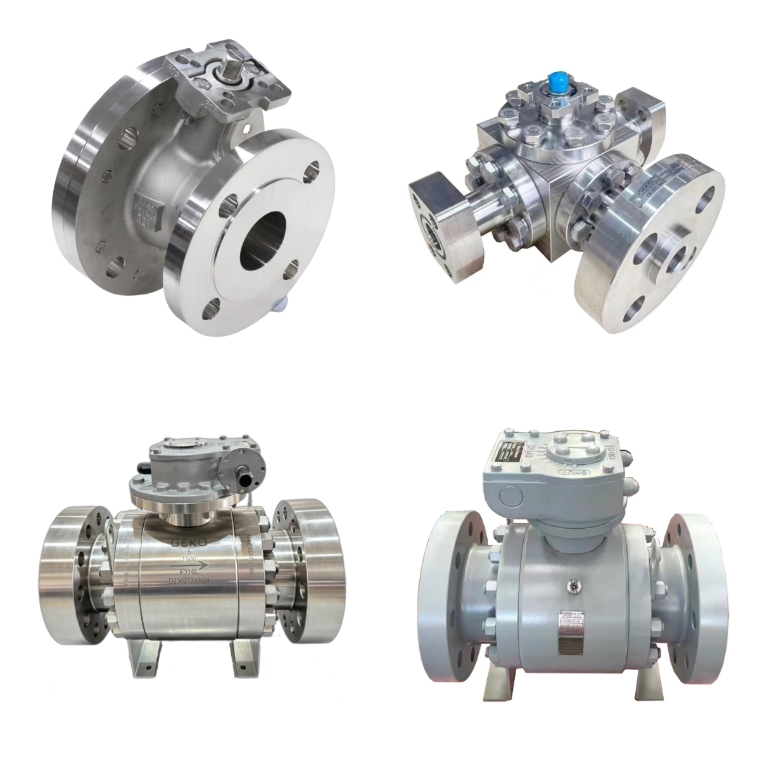
Válvulas de esfera com sede metálica: Tratamentos de endurecimento da sede, materiais de vedação e guia de seleção técnicaAs válvulas de esfera com sede metálica (válvulas de esfera com vedação rígida) são projetadas para serviços industriais severos, incluindo condições de tubulação com alta temperatura, alta pressão, fluidos abrasivos e corrosivos. Ao contrário das válvulas com sede macia à base de polímero com componentes de vedação em PTFE, as válvulas de esfera com sede metálica dependem de sedes de válvulas e superfícies de vedação da esfera tratadas com precisão para oferecer resistência ao desgaste, estabilidade térmica, resistência à fadiga e confiabilidade operacional em longos ciclos. A principal diferença de desempenho das válvulas de esfera com vedação rígida reside em dois fatores técnicos principais: processos profissionais de tratamento de endurecimento da sede da válvula e materiais de vedação de revestimento duro de alto desempenho. Este guia técnico detalha sistematicamente as principais tecnologias de processamento de sedes metálicas, propriedades dos materiais de vedação, princípios de processo e normas de aplicação de engenharia, fornecendo uma base técnica precisa para a seleção de válvulas industriais e o projeto de sistemas.1. Princípio técnico fundamental das válvulas de esfera com sede metálicaAs válvulas de esfera com sede metálica adotam uma estrutura de vedação rígida metal-metal pura, sem elementos de vedação de polímero elástico. A esfera e a sede da válvula formam um par de vedação com encaixe preciso. Através de tratamento profissional de endurecimento superficial e processamento de acabamento de ultraprecisão, a superfície de vedação obtém alta dureza, planicidade e resistência ao desgaste, garantindo uma vedação estanque e estável em condições extremas de trabalho, onde as válvulas com vedação macia são propensas ao envelhecimento, deformação e falha. Todas as tecnologias de processamento e configurações de materiais são projetadas para solucionar problemas industriais como falhas por alta temperatura, abrasão por fluidos, impacto de pressão e desgaste por comutação frequente.2. Processos convencionais de endurecimento e tratamento de superfície de sedes de válvulas metálicasO tratamento da superfície da sede da válvula é o processo de fabricação essencial que determina a vida útil e o grau de vedação das válvulas de esfera com sede metálica. A GEKO Valve oferece quatro processos de tratamento térmico de têmpera profissionais, seguindo padrões industriais, que vão desde o reforço convencional até tecnologias de reforço de alta precisão:2.1 Tratamento Integral de Têmpera e EndurecimentoVisão geral do processo: O processo de endurecimento integral adota um tratamento de têmpera e revenido para substratos de aço inoxidável com alto teor de cromo (aço inoxidável martensítico 410/420), resultando em uma melhoria integral da dureza da sede da válvula sem a necessidade de revestimento ou pulverização superficial. A sede processada apresenta dureza uniforme, desempenho estrutural estável e excelente rigidez geral.Vantagens técnicas: baixo custo, processo simples e consolidado, sem risco de descascamento do revestimento, boa estabilidade estrutural.Cenários de aplicação: Tubulações convencionais de isolamento para serviço pesado em alta pressão com água, gás e fluidos industriais de baixa abrasão, com boa relação custo-benefício.2.2 Revestimento por Arco de Plasma Transferido (PTA)Visão geral do processo: Como a principal tecnologia de revestimento duro para sedes de válvulas industriais, o revestimento PTA funde materiais de liga de alto desempenho (principalmente liga de cobalto-cromo Stellite) na superfície de vedação da sede e da esfera da válvula por meio de um arco de plasma de alta temperatura. Uma camada espessa, densa e metalurgicamente ligada de liga dura é formada na superfície do substrato.Vantagens técnicas: Camada espessa de revestimento duro, forte força de adesão, antidescascamento, anti-rachaduras, dureza e tenacidade equilibradas, excelente resistência à abrasão e à fadiga térmica.Cenários de aplicação: Tubulações com ciclos térmicos de alta temperatura, sistemas de vapor, equipamentos industriais com comutação frequente, tubulações de processos de refino petroquímico.2.3 HVOF (High-Velocity Oxygen Fuel Thermal Spraying)Visão geral do processo: HVOF é uma tecnologia de aspersão térmica de alta precisão que utiliza carboneto de tungstênio, carboneto de cromo e outros pós de ligas de alta dureza como matéria-prima. Os pós são acelerados e fundidos por um fluxo de chama de alta velocidade e depositados uniformemente na superfície de vedação da válvula para formar um revestimento compacto ultrarresistente.Vantagens técnicas: Dureza superficial ultra-alta, espessura de revestimento uniforme, baixo impacto térmico no substrato, excelente desempenho antiabrasão e antierosão.Cenários de aplicação: lama abrasiva, pó mineral, meios de limpeza química de carvão, dutos industriais de oxidação em alta temperatura.2.4 Tratamento de Lapidação de Precisão e Acabamento EspelhadoVisão geral do processo: Este é o processo essencial de acabamento final para todas as válvulas de alta qualidade com sede metálica. Através de retificação grosseira, retificação fina e lapidação de precisão em pares, as marcas microscópicas de ferramentas e as irregularidades da superfície de vedação são eliminadas. O par de vedação esfera-sede atinge um encaixe de alta precisão de 100%, formando uma superfície de vedação lisa como um espelho.Vantagens técnicas: Melhora efetivamente a estanqueidade da vedação, alcançando vazamento zero de alta qualidade segundo a norma API, reduz o atrito de comutação e prolonga a vida útil da válvula.Cenários de aplicação: Todas as válvulas de esfera com sede metálica exigem vedação de alta precisão, comutação frequente e operação estável a longo prazo.3. Materiais de revestimento rígido para vedação de grau industrial e propriedades técnicasA combinação de processos de têmpera profissionais com materiais de vedação exclusivos é fundamental para a adaptação a diferentes condições de trabalho severas. Os quatro materiais de liga a seguir são as configurações padrão mais comuns para sedes de válvulas metálicas industriais:3.1 Liga de cobalto-cromo esteliteCorrespondência de Processos: Revestimento de Plasma PTAPropriedades técnicas: Liga específica para válvulas de acordo com o padrão API, dureza HRC 38–55, com excelente estabilidade térmica, desempenho antideslizante e média resistência à corrosão. Não amolece nem deforma sob condições de trabalho prolongadas em altas temperaturas e mantém um desempenho de vedação estável após milhares de ciclos de comutação.Aplicações: Refino petroquímico, tubulações de vapor para usinas termelétricas, sistemas de tratamento térmico cíclico, meios de processo corrosivos convencionais.3.2 Liga de carboneto de tungstênio (WC-Co)Compatibilidade de Processos: Aspersão Térmica HVOFPropriedades técnicas: O material de vedação de válvulas mais resistente em aplicações industriais, com resistência à abrasão e capacidade antidesgaste extremamente elevadas. Resiste ao desgaste severo causado por partículas sólidas, lamas e pós. A temperatura máxima de aplicação é de 400 °C.Aplicações: Transporte de lama de mineração, oleodutos para cinzas de carvão e produtos químicos, produtos químicos em pó, lodo de esgoto e condições de trabalho com alta abrasão.3.3 Liga de carboneto de cromo (Cr3C2-NiCr)Compatibilidade de Processos: Aspersão Térmica HVOFPropriedades técnicas: Destaca-se pela resistência à oxidação em altas temperaturas e à fadiga térmica, com uma temperatura máxima de serviço de 815 °C. Mantém dureza estável e integridade estrutural em ambientes de temperatura ultra-alta, compensando as deficiências de desempenho em altas temperaturas dos materiais de carboneto de tungstênio.Aplicação: Equipamentos de coqueificação, tubulações de gases de combustão de alta temperatura, sistemas de circulação de óleo quente, ambientes industriais severos com ciclos térmicos de longa duração.3.4 Aço inoxidável endurecido com alto teor de cromoCorrespondência de Processos: Endurecimento por Têmpera IntegralPropriedades técnicas: Dureza moderada, desempenho mecânico estável, excelente relação custo-benefício. A sede da válvula integral endurecida apresenta boa resistência ao desgaste em fluidos agressivos convencionais, sem risco de desprendimento do revestimento e com manutenção posterior simplificada.Aplicações: Tratamento de água municipal, tubulações industriais de alta pressão para gases e líquidos, sistemas convencionais de isolamento para serviço pesado.4. Grau de Vedação e Vantagens Técnicas do NúcleoApós tratamento de endurecimento profissional e lapidação de precisão, as válvulas de esfera com sede metálica GEKO atingem de forma estável as classes de vedação ultraestanque API IV, V e VI. Comparadas com válvulas de esfera com vedação flexível, elas possuem vantagens técnicas insubstituíveis: resistência a altas temperaturas de até 800 °C, tolerância a alta pressão e impactos, resistência à abrasão por lama, resistência à fadiga térmica, ausência de falhas por envelhecimento da vedação e vida útil extremamente longa em condições industriais severas.5. Regras de seleção de engenharia por processo e material• Condições de trabalho com ciclos térmicos de alta temperatura: Prioridade na seleção de sedes de válvulas com revestimento em liga PTA Stellite, que apresentam excelente estabilidade térmica.• Condições de trabalho de lavagem com lama abrasiva de alta intensidade: Adote superfícies de vedação duras revestidas com carboneto de tungstênio por HVOF para máxima resistência ao desgaste.• Condições de trabalho de oxidação em temperaturas ultra-altas: Configure o revestimento de carboneto de cromo HVOF para garantir estabilidade operacional de longo prazo em altas temperaturas.• Condições gerais de trabalho pesado e econômicas: Selecione sedes de válvulas integrais em aço inoxidável endurecido com alto teor de cromo para equilibrar desempenho e custo do projeto.6. Soluções Técnicas para Válvulas de Esfera com Sede Metálica GEKO ProfessionalA GEKO Valve fornece uma linha completa de válvulas de esfera com sede metálica personalizadas, com processos completos de tratamento de endurecimento da sede e materiais de revestimento duro de alta qualidade. Oferecemos serviços de revestimento PTA Stellite, aspersão térmica HVOF de carboneto de tungstênio/carboneto de cromo e tratamentos de endurecimento integral do aço inoxidável. Todos os pares de vedação passam por lapidação espelhada de ultraprecisão para garantir uma estanqueidade de alta qualidade. Nossos produtos abrangem estruturas flutuantes e com montagem em munhão, adaptando-se totalmente a cenários de serviço severos com alta temperatura, alta pressão, abrasão e corrosão, proporcionando soluções técnicas de controle de fluidos de baixa manutenção e alta confiabilidade para projetos industriais globais.9 palavras-chave principais de SEO: Válvula de esfera com revestimento duro de estelite, Válvula de esfera com sede metálica de carboneto de tungstênio, Válvula de esfera com vedação rígida de carboneto de cromo, Válvula de esfera com revestimento duro HVOF, Válvula com sede metálica e revestimento PTA, Válvula de esfera com sede metálica para alta temperatura, Válvula de esfera com vedação rígida resistente à abrasão, Válvula de esfera com sede metal-metal, Válvula de esfera com sede metálica API Classe VI
LEIA MAIS






 E-mail
: info@geko-union.com
E-mail
: info@geko-union.com
 E-mail
: info@geko-valves.de
E-mail
: info@geko-valves.de
 E-mail
: tw@geko-union.com
E-mail
: tw@geko-union.com
 E-mail
: nl@geko-union.com
E-mail
: nl@geko-union.com



 Rede IPv6 suportada