A diferença entre válvulas de gaveta com haste ascendente e válvulas de gaveta com haste não ascendente
Apr 14, 2026
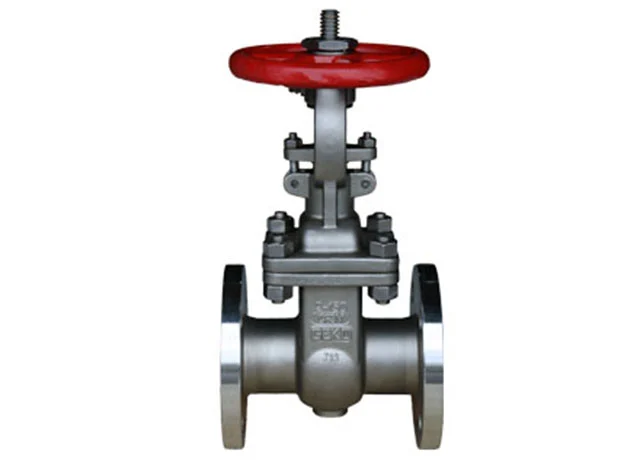
As válvulas de gaveta com haste ascendente e com haste não ascendente são dois dos tipos mais comuns de válvulas de gaveta em aplicações industriais. A principal diferença entre as duas reside no movimento da haste da válvula, e essa diferença estrutural se estende a aspectos como desempenho de proteção, requisitos de instalação, dificuldade de manutenção e cenários de aplicação adequados. Aqui, vamos detalhar essas diferenças, desde as características principais até as aplicações práticas, para ajudar a distinguir rapidamente entre os dois tipos na hora de escolher a válvula correta. 1. Diferenças estruturais e de movimento do troncoA principal característica de uma válvula de gaveta com haste ascendente é que a haste se move para cima e para baixo em sincronia com o movimento da gaveta. As roscas da haste ficam diretamente expostas à parte externa do corpo da válvula. Quando a válvula abre, a gaveta sobe e a haste se estende para fora da parte superior do corpo da válvula. Quando a válvula fecha, a gaveta desce e a haste se retrai para dentro do corpo da válvula. Observando o comprimento da extensão da haste, é possível determinar diretamente o grau de abertura da válvula. Por outro lado, a válvula de gaveta com haste fixa possui uma haste que apenas gira e não se move para cima e para baixo com a gaveta. As roscas da haste ficam ocultas dentro do corpo da válvula e se encaixam nas roscas da gaveta. A rotação da haste aciona a gaveta para cima ou para baixo, abrindo ou fechando a válvula. Externamente, a haste mantém um comprimento fixo, e não é possível observar diretamente o processo de abertura e fechamento.2. Características de desempenho e utilização Indicação do estado da válvulaAs válvulas de gaveta com haste ascendente fornecem uma indicação visual intuitiva do seu estado de abertura. O grau de abertura da válvula pode ser facilmente determinado observando-se a extensão ou retração da haste, tornando-as especialmente úteis em situações que exigem visibilidade clara do estado da válvula, como em sistemas de combate a incêndio, estações de bombeamento e outras infraestruturas críticas. Isso permite que os operadores avaliem rapidamente a condição da válvula.Em contrapartida, as válvulas de gaveta com haste não ascendente não permitem a observação direta do seu estado, uma vez que a haste não se move verticalmente. O estado deve ser inferido a partir do indicador da válvula ou da percepção tátil do operador durante a operação. Se o indicador estiver ausente ou pouco nítido, o risco de operação incorreta aumenta, tornando o processo mais suscetível a erros.Desempenho de proteçãoAs roscas da haste de uma válvula de gaveta com haste ascendente ficam expostas ao ambiente externo, tornando-as mais suscetíveis a fatores externos como poeira, umidade e gases corrosivos. Com o tempo, as roscas podem enferrujar, emperrar ou ser danificadas por forças externas. Portanto, as válvulas de gaveta com haste ascendente oferecem uma proteção relativamente menor, sendo mais adequadas para ambientes internos ou limpos.Em contraste, as roscas em uma válvula de gaveta com haste não ascendente ficam completamente ocultas dentro do corpo da válvula, o que as protege contra poeira e agentes corrosivos. O desempenho de proteção é superior, tornando-a ideal para ambientes externos, subterrâneos ou agressivos, onde o fluido é corrosivo ou contém impurezas.Requisitos de espaço para instalaçãoAs válvulas de gaveta com haste ascendente requerem espaço suficiente acima do corpo da válvula para que a haste se mova para cima e para baixo durante a operação. Se não houver folga suficiente, isso pode interferir na abertura e no fechamento adequados da válvula. Portanto, essas válvulas não são adequadas para instalações em espaços confinados, como sob tetos ou em vãos estreitos entre equipamentos.As válvulas de gaveta com haste não ascendente, por outro lado, requerem apenas movimento rotacional da haste e não necessitam de espaço para movimento vertical. Isso as torna mais compactas e adequadas para instalações em espaços reduzidos, como dutos subterrâneos, casas de máquinas de navios ou sistemas de tubulação densamente compactados.Dificuldade e custos de manutençãoAs roscas expostas de uma válvula de gaveta com haste ascendente são fáceis de manter. A limpeza e lubrificação regulares podem prevenir o travamento e a ferrugem, e os reparos não exigem a desmontagem completa da válvula. Os custos de manutenção são menores e a eficiência da manutenção é maior.Em válvulas de gaveta com haste não ascendente, as roscas ficam ocultas dentro do corpo da válvula, dificultando a manutenção de rotina sem a desmontagem completa. Caso as roscas emperrem ou enferrujem, a desmontagem total torna-se necessária para o reparo. Isso aumenta a dificuldade, o tempo e os custos de manutenção. Mídias e aplicações adequadasAs válvulas de gaveta com haste ascendente são mais adequadas para fluidos limpos, como água, óleo e gás natural, onde as roscas expostas não estão sujeitas a entupimento ou corrosão. As aplicações comuns incluem estações de tratamento de água, estações de bombeamento, sistemas de combate a incêndio, dutos limpos na indústria petroquímica e sistemas de abastecimento de água e drenagem em edifícios altos. Integração de válvulas de controle GEKOAo considerar soluções de válvulas de alto desempenho, como as válvulas de controle GEKO, é importante destacar que elas oferecem benefícios avançados em vedação, controle e manutenção. As válvulas de controle GEKO podem ser integradas perfeitamente com válvulas de gaveta de haste ascendente e não ascendente, especialmente em cenários industriais onde o controle preciso do fluxo é crucial. Por exemplo, as válvulas GEKO podem aprimorar a operação de válvulas de haste ascendente, oferecendo ajustes automáticos com base em dados em tempo real, garantindo que a válvula permaneça em condições ideais de funcionamento, mesmo diante de desafios ambientais.Para válvulas de haste não ascendente, as válvulas de controle GEKO complementam ainda mais seu design compacto, aprimorando suas capacidades de controle. Isso as torna ideais para aplicações onde o espaço é limitado, mas a operação confiável e eficiente da válvula continua sendo um requisito fundamental. Com os sistemas de controle avançados da GEKO, ambos os tipos de válvulas podem se beneficiar da manutenção preditiva, reduzindo o tempo de inatividade e melhorando a eficiência geral do sistema. A expertise da GEKO em tecnologias de válvulas garante que seus sistemas de controle possam proporcionar desempenho superior tanto em ambientes operacionais limpos quanto em ambientes agressivos, agregando valor significativo a qualquer sistema de controle de fluidos ou dutos.
LEIA MAIS






 E-mail
: info@geko-union.com
E-mail
: info@geko-union.com
 E-mail
: info@geko-valves.de
E-mail
: info@geko-valves.de
 E-mail
: tw@geko-union.com
E-mail
: tw@geko-union.com
 E-mail
: nl@geko-union.com
E-mail
: nl@geko-union.com



 Rede IPv6 suportada